


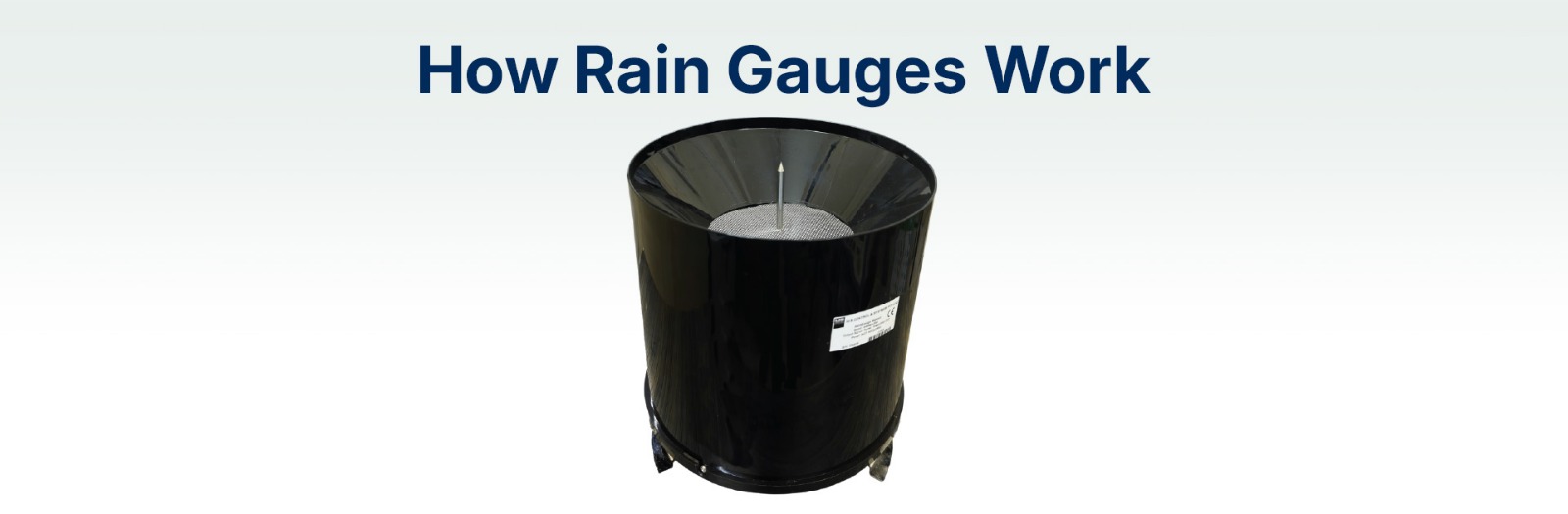
Rain affects everything around us. It fills our reservoirs and grows our crops. Sometimes it floods our cities. We must know the exact rainfall amounts. This is not just trivia. It is critical information.
Farmers need it to plan irrigation. City planners need it to design storm drains. Solar plants need it to track performance. But how do we get this data accurately? The answer lies in a specialized tool called a rain gauge measurement device. Specifically, the Rain Gauge MBMet-200 from MB Control is a prime example of modern precision in this field.
Understanding rainfall is about more than just checking if the ground is wet. It requires precise rainfall monitoring over time. You need to know the intensity, the duration, and the total volume of water. This article explores how these devices work and why a professional rainfall measurement device like the MBMet-200 is essential for critical applications.
The concept of measuring rain seems simple. You put a bucket out and see how full it gets. But in professional settings, this method is not enough. You cannot wait for someone to walk out and check the bucket every hour. You need a system that measures automatically and accurately.
The most common and reliable method used today is the “Tipping Bucket” mechanism. This is the heart of the Rain Gauge MBMet-200. Imagine a small see-saw inside the device. On each end of the see-saw sits a tiny bucket. Rain enters through a funnel at the top. It drips into one of these small buckets.
When that bucket fills with a specific amount of water—usually 0.2 mm—it tips over. This dumping action brings the second bucket under the funnel. The see-saw tips back and forth as it rains. Each tip sends an electrical signal to a data logger. By counting the tips, the system knows exactly how much rain has fallen.
Key Features of the Tipping Bucket System:
– Self-Emptying: The buckets dump the water out, so the gauge never overflows.
– Instant Data: Every tip is recorded immediately, giving you real-time rainfall monitoring.
– High Sensitivity: It can detect even light drizzles that might otherwise be missed.
You might ask, “Why do we need such accurate tools?” The difference between a guess and a measurement can be costly.
In agriculture, over-watering wastes resources and damages crops. Under-watering reduces yield. A precise rainfall measurement device tells a farmer exactly how much nature has provided so they can adjust their irrigation systems accordingly.
In flood management, every minute counts. A sudden spike in rain gauge measurement data can trigger early warning systems. This gives authorities time to close roads or evacuate areas before a river bursts its banks.
For solar power plants, rainfall data is surprisingly important. Rain cleans the dust off solar panels. Knowing when it rained helps operators understand why power output increased. It also helps them schedule manual cleaning only when necessary, saving money on maintenance.
The Rain Gauge MBMet-200 handles these hard tasks. It is not a toy. It is a serious tool. MB Control built it for harsh places. Yet it delivers reliable data. The device uses a 200 cm² opening. This size is standard for experts. It captures a large sample. So your rain gauge measurement is valid. The housing is rugged. It lasts outdoors for years.
MBMet-200 Highlights:
– Measurement Principle: Self-emptying tipping bucket.
– Orifice Area: 200 cm² for standard compliance.
– Resolution: 0.2 mm per tip.
– Accuracy: ±2%, ensuring trustworthy data.
Nature is harsh. A rain gauge measurement tool sits in the wind and sun. The Rain Gauge MBMet-200 accepts this challenge. It operates between -40°C and +60°C. Freezing mornings do not stop it. Hot afternoons do not break it. The device continues working.
Stability matters too. The drift is less than 0.0125 mm per year. So you avoid frequent recalibration. You install the unit. Then you trust it to perform.
It connects easily to data loggers like the MBLogger 1000. It supports pulse outputs, which are simple electrical signals. It also has an option for RS-485 Modbus output. This allows it to speak directly to complex computer systems and rainfall monitoring networks.
This rainfall measurement device is versatile. You find it in many sectors.
– Meteorology and Research: Scientists use the Rain Gauge MBMet-200 for climate studies. Accurate data reveals weather patterns. So we understand climate change better.
– Smart Cities: Modern cities use rainfall monitoring for drainage. Real-time data triggers automated pumps. Then streets do not flood.
– Agriculture: Large farms use these gauges. Suppose it rains 10 mm today. The system stops the sprinklers automatically. This saves water and energy.
Data is only useful if you can access it. The Rain Gauge MBMet-200 excels at integration. The standard model sends a pulse for every bucket tip. This is a universal language that almost any data logger can understand.
For more advanced setups, the MBMet-200B model offers Modbus RTU output. This is a digital communication protocol, allows the sensor to be part of a larger network of instruments. So that you can daisy-chain it with wind sensors, temperature sensors, and solar sensors.
This connectivity is vital for remote sites. You can connect the rain gauge to a telemetry system. The data is then sent to the cloud. Just view the live rainfall at a site hundreds of miles away siting at your convenient place.
All mechanical tools need care. But the Rain Gauge MBMet-200 needs very little. The tipping system is simple. It is also strong. You must keep the funnel clean. Leaves or dirt block the inlet sometimes. But the design helps you clear debris quickly. The parts resist rust too. Rain often contains acid. Weather hurts ordinary metal. So this device uses tough materials. Your rain gauge measurement stays accurate for many years.
MB Control is a leader in environmental monitoring. They understand the specific needs of industries like solar energy and meteorology. The Rain Gauge MBMet-200 is a result of this expertise. It balances high performance with practical durability.
When you choose this rainfall measurement device, you are not just buying hardware. You are buying reliability. You get a sensor that is calibrated and tested. You get a tool that integrates seamlessly with other MB Control products like the MBLogger series.
Good decisions rely on facts. You measure the rain. Then you manage water better. You also protect your property from floods. Or you grow more crops. The Rain Gauge MBMet-200 gives you this power. It turns a chaotic storm into orderly numbers. So you see the trends. You predict the results. Precision is essential for rainfall monitoring. It is not a luxury. Watch the next storm arrive. It is more than water. It is data. The Rain Gauge MBMet-200 captures every drop.
1.How does the Rain Gauge MBMet-200 handle heavy rainfall?
It handles storms easily. The device measures up to 480 mm of rain per hour. The bucket mechanism tips quickly. It empties itself instantly. So you get accurate rain gauge measurement even during intense downpours.
2.Can I connect this rain gauge to a computer or cloud system?
Yes. It connects easily. The standard model sends pulse signals. The MBMet-200B adds Modbus output. You connect it to a data logger or SCADA system. Then you view your rainfall monitoring data on your computer or the cloud.
3.Does the device need a lot of maintenance?
No. Maintenance is minimal. You simply keep the funnel clean of leaves and dirt. The internal parts are tough. The sensor stays accurate for years. It is a reliable rainfall measurement device for remote sites.