Why Accurate Indoor Monitoring Matters for Power Plants

Power plants depend on controlled indoor environments to operate safely and predictably. Control rooms, electrical rooms, relay panels, inverter halls, and auxiliary equipment spaces all sit indoors. These areas protect assets from outdoor exposure, but indoor conditions still change every day. Heat accumulates. Humidity fluctuates. Air circulation shifts with load and ventilation performance. Indoor environmental… Continue reading Why Accurate Indoor Monitoring Matters for Power Plants


What a Radiation Shield Does and Why Your Sensors Need One

Outdoor measurement systems depend on stable data. Temperature and humidity values influence control logic, reporting, and long-term performance analysis. Outdoor exposure creates a problem. Direct sunlight heats sensor bodies, rain alters surface conditions, and airborne dust interferes with readings. A radiation shield for sensors addresses these problems in a controlled and measurable way. This article… Continue reading What a Radiation Shield Does and Why Your Sensors Need One

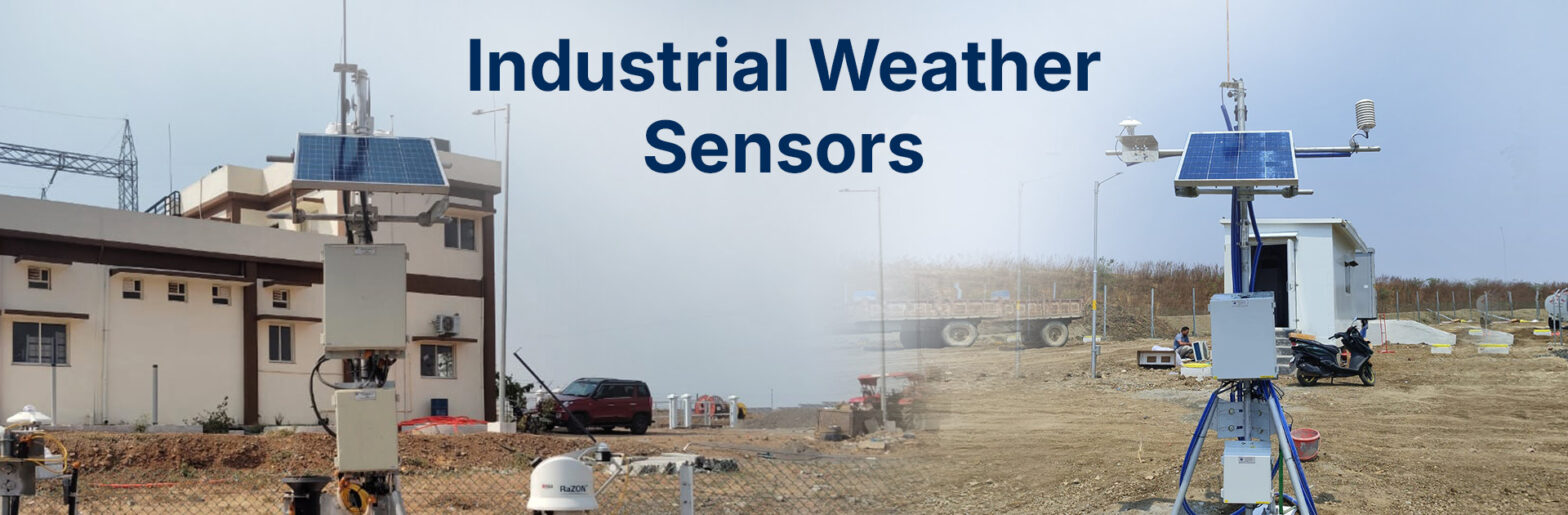
Industrial Weather Sensors Core of Reliable Energy Monitoring

When we think about optimizing an energy system — whether solar, hybrid, or industrial — our minds often jump straight to the hardware: inverters, transformers, or power meters. But what truly drives these systems to perform efficiently isn’t just the flow of electricity — it’s the environmental data that explains why performance changes. That’s where… Continue reading Industrial Weather Sensors Core of Reliable Energy Monitoring